
I never thought I’d be the kind of person who kept pain relief products in my desk drawer, glove box, and nightstand.
But that changed after one rough Monday morning.
I had spent most of the weekend doing all the things I usually tell myself I’m too busy to do—cleaning the garage, mowing the lawn, helping move a heavy bookcase, and squeezing in a quick workout because I felt guilty about skipping the gym all week.
By Monday, my lower back felt tight, my neck was stiff, and my right knee had that annoying dull ache that shows up every time I overdo it.
Normally, I would have reached for painkillers without thinking twice.
But lately, that habit had started to bother me. Not because I’m against medication when it’s needed, but because I didn’t like how casually I was using it. A couple of pills after yard work. Another dose after a long day at the laptop. Something else when my shoulder flared up after carrying groceries.
It felt like I was constantly trying to mute my body instead of finding a better way to manage everyday pain.
That search is what led me to Kailo, a reusable nanotech pain relief patch designed to help reduce everyday discomfort without pills, creams, batteries, or messy gels.
I’ll be honest: I was skeptical.
A small patch that claims to help with back pain, neck tension, knee soreness, joint pain, and muscle discomfort sounded almost too simple. I’ve tried pain creams, heat wraps, massage tools, and over-the-counter options before. Some helped. Some didn’t. Most ended up forgotten in a drawer.
But after testing Kailo myself, I found a few things that genuinely surprised me.
It wasn’t perfect. It took some trial and error. Placement mattered more than I expected. And I don’t think anyone should treat it like a miracle cure.
But as a portable, reusable, drug-free pain relief patch, Kailo earned a place in my daily routine.
Important note: Kailo is not a medical treatment, diagnosis tool, or replacement for professional care. If you have severe, unexplained, worsening, or injury-related pain, talk to a qualified healthcare professional before using any pain relief product.

Kailo is an anti-inflammatory pain relief skin patch made with the latest nanotechnology to reduce pain from your body naturally. Utah Specialists in the USA design it as an alternative to harmful painkillers.
- Using the device has no harmful Side effects
- Drugless, non-addictive, natural pain killer
- Gives instant relief from pain
- No charge required
- A bit expensive
- Sometimes, finding the right spot gets difficult
What Is Kailo?
Kailo is a reusable, drug-free pain relief patch designed to help reduce body discomfort using nanotechnology. It contains billions of nano capacitors that are claimed to interact with the body’s natural electrical signals, making it a non-invasive alternative to pain pills, creams, and disposable patches.
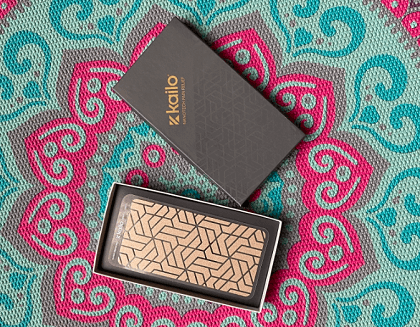
Kailo is not a traditional medicated patch.
It does not release medicine into your skin. It does not heat up like a thermal patch. It does not vibrate like a massage device. It does not need batteries, charging cables, Bluetooth, or an app.
Instead, Kailo is designed as a nanotech pain relief patch that works with the body’s natural electrical system. The brand describes the patch as containing billions of nano-capacitors that may help the body communicate more efficiently with pain signals.
In simpler terms, Kailo is meant to act like a signal-support patch.
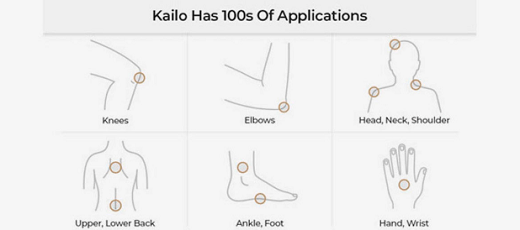
You place it near the area where you feel pain, such as your lower back, neck, knee, shoulder, wrist, ankle, or elbow. Then you adjust the position until you find the “sweet spot.”
That last part is important.
In my experience, Kailo is not always a slap-it-on-and-done product. Sometimes I felt relief quickly. Other times, I had to move it around a few times before I noticed a difference.
What makes Kailo appealing is that it’s designed for people who want pain relief without medication.
Kailo may be useful for:
- Lower back discomfort
- Neck and shoulder tension
- Knee soreness
- Joint discomfort
- Muscle aches
- Wrist or elbow pain
- Foot and ankle discomfort
- General everyday body pain
The product is also promoted as reusable, portable, sweat-resistant, and wearable either over or under clothing, which made it much more practical for my daily routine.
Kailo Review: My Honest First Impression
When I first opened Kailo, my immediate reaction was, “That’s it?”
Not in a bad way.
It just looked much simpler than I expected.
The patch itself is thin, flexible, and lightweight. It does not feel like a medical device, and it does not look like the disposable pain patches you see at the pharmacy. There is no strong smell, no gel surface, no sticky medicated layer, and no heating element.
That was actually one of the first things I liked.
With many pain creams and patches, you know you’re wearing them because everyone around you can smell them. I’ve used menthol-based creams before going to bed and had my whole pillow smell like a locker room by morning.
Kailo did not have that issue.
It felt more like a small reusable tech patch than a typical pain relief product.
During my first inspection, a few things stood out:
- It was lightweight enough to wear under clothing
- It did not require charging
- It did not need batteries
- It did not use cream, gel, or medication
- It looked durable enough for repeated use
- It seemed easy to pack for travel or work
I tested it both directly on skin using adhesive and over thin clothing. Each method had its place.
For my lower back, I preferred using it over a thin undershirt while sitting at my desk. For my knee, I got better results using adhesive placement closer to the sore area. For my neck and shoulder tension, placement took more experimenting.
That became one of my biggest early lessons:
Kailo works best when you’re patient enough to test placement.
What Comes With Kailo?
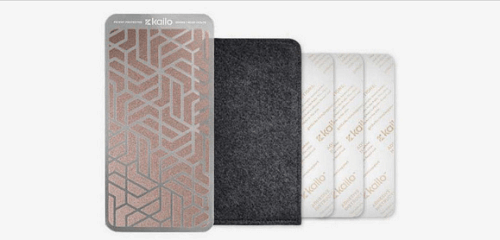
Kailo typically comes with the reusable pain patch and adhesive strips or placement materials, depending on the package selected. Buyers should check the official website before ordering because bundle options, included accessories, and promotional offers may change over time.
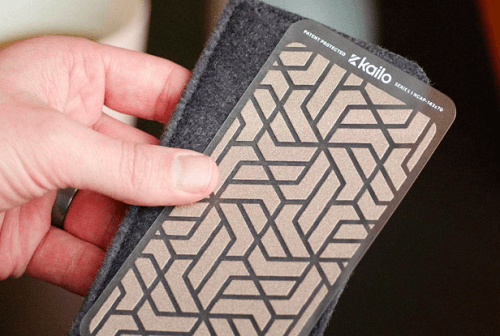
The most important thing in the package is the Kailo patch itself.
Depending on the offer, you may also receive adhesive strips or related placement materials designed to help you wear Kailo directly on the skin. Since packages and bundle deals can change, I recommend checking the official product page before ordering.
In general, Kailo is designed to be simple. There are no batteries, charging cords, complicated setup steps, or app downloads.
That simplicity is one of the biggest reasons I actually kept using it.
How Does Kailo Work?
Kailo works by using nanotechnology that is designed to interact with the body’s natural electrical signals. The patch contains nano capacitors that may help reduce or interrupt pain signals, offering drug-free pain relief without medication, heat, vibration, batteries, or charging.
The easiest way I can explain Kailo is this:
It is not trying to numb your pain with medicine.
It is not trying to distract you with heat.
It is not trying to massage your muscles.
Instead, Kailo is designed to work more like a signal patch.
The patch is said to contain billions of nano-capacitors. These tiny capacitors are designed to interact with the body’s electrical communication system and may help reduce how pain signals are experienced.
Now, I know that sounds a little futuristic.
That was one reason I was skeptical at first. I’m used to pain relief being pretty straightforward. You take a pill, apply a cream, use an ice pack, stretch, or lie down and hope the discomfort fades.
Kailo felt different because there was no obvious sensation.
No warming. No cooling. No buzzing. No tingling. No scent.
When I first placed it on my lower back, I kept waiting for something dramatic to happen. But Kailo does not feel like a typical pain relief device. That may confuse some first-time users because you might wonder whether it’s doing anything at all.
For me, the effect was more subtle.
After I found the right placement, the tight, nagging discomfort in my lower back felt less sharp and less distracting. It did not feel like my pain disappeared in a flash. It felt more like the volume had been turned down.
That’s the best way I can describe it.
Clinical Research Claims: What Stood Out to Me
Kailo’s marketing highlights clinical research claims suggesting some participants experienced pain reduction while using the patch. While those claims are encouraging, I still believe buyers should treat Kailo as a wellness support product, not a guaranteed medical cure or replacement for professional care.
One of the most important details I noticed in the additional product materials was the emphasis on research-backed pain relief claims.
The brand references an interim analysis in the Anesthesia and Pain Research Journal connected to a study described as using nanotechnology to improve pain and function with a novel drug-free topical pain-relief patch.
That caught my attention because many pain relief gadgets rely only on hype, testimonials, or flashy before-and-after claims.
However, I want to be fair here.
Clinical research language sounds impressive, but it does not mean every user will get the same outcome. Pain is complicated. Placement matters. Pain type matters. Individual body response matters.
So I look at the research messaging as a positive trust signal, but not a guarantee.
In plain English, here’s how I interpret it:
- Kailo is not just a random sticky patch with no explanation.
- The brand has positioned it around nanotechnology and pain-signal support.
- Research-backed claims add more credibility than many generic pain patches.
- Individual outcomes can differ depending on the person and pain source.
- It should still be used responsibly, especially if pain is severe or unexplained.
That balance is important.
I liked seeing that Kailo had more behind it than a basic disposable patch, but I still tested it with realistic expectations.
My 30-Day Kailo Test: What Happened?
During my 30-day test, Kailo worked best for my everyday aches, especially lower back tightness, neck tension, and mild knee soreness. It did not feel like a miracle cure, but after experimenting with placement, I noticed meaningful relief during work, walking, and recovery days.

I decided to test Kailo for 30 days because I didn’t want to judge it after one use.
Pain relief products can be tricky. Sometimes your pain naturally improves. Sometimes rest helps. Sometimes stretching makes the difference. So I wanted to use Kailo in several normal situations instead of testing it once and making a quick decision.
I tested it in four main scenarios:
- Lower back pain from sitting at my desk
- Neck and shoulder tension after laptop work
- Knee soreness after walking and workouts
- General muscle aches after weekend chores
Week 1: Learning Where to Place It
The first week was mostly about figuring out placement.
This is where Kailo challenged my patience a little.
The instructions I found said to place Kailo between the pain and the brain, along the nervous system pathway, and no farther than about 18 inches from the pain area. Then, you gradually move it toward the pain location until you notice a change.
That was more specific than I expected, and it helped.
The first time I used it on my lower back, I placed it directly where the discomfort felt strongest. I waited a few minutes and didn’t notice much.
Then I moved it slightly higher and a little to the side.
That’s when I felt a difference.
The pain didn’t vanish, but the tight feeling became less distracting. I could sit longer without constantly shifting in my chair.
Week 2: Using Kailo During Workdays
By the second week, I started keeping Kailo near my desk.
My lower back usually starts complaining after several hours of sitting, especially when I get locked into emails, spreadsheets, and meetings. I try to stand up, stretch, and walk around, but some days get away from me.
On those days, I used Kailo over a thin undershirt near my lower back.
I liked that I could use it without anyone noticing. There was no smell, no noise, no device clipped to me, and no need to plug anything in.
The relief was not always instant, but when I placed it correctly, I felt more comfortable getting through the afternoon.
Week 3: Testing It on Knee Soreness
My knee soreness usually shows up after longer walks, gym sessions, or doing too much around the house.
I tested Kailo around my knee during the third week.
This area took a little more experimenting. At first, I placed the patch too far from the discomfort and didn’t feel much. Then I moved it closer to the side of my knee, and the dull ache felt less noticeable after a short while.
Again, it wasn’t magic.
But it helped enough that I kept using it.
Week 4: Neck and Shoulder Tension
Neck and shoulder tension was the trickiest test.
I get tightness from laptop posture, phone scrolling, and sleeping in awkward positions. I wanted to see whether Kailo could help with that stiff, heavy feeling that builds up around the upper traps and neck.
The results were mixed at first.
I had to move the patch around more than I did with my back or knee. Once I found a better placement near my shoulder area, it helped reduce the tension enough that I noticed a difference while working.
My biggest takeaway after 30 days was this:
Kailo worked best for me when I used it for everyday discomfort, not severe pain.
For mild to moderate aches, it became a practical tool.
Key Features of Kailo
Kailo stands out from traditional pain relief products by combining a reusable design with nanotechnology-inspired construction. Before deciding if it’s right for you, take a closer look at the features that make this drug-free pain relief patch different from creams, gels, and disposable alternatives.

Drug-Free Pain Relief
One of the biggest reasons I wanted to try Kailo was that it offers drug-free pain relief.
I’m not against painkillers when they’re needed. But I don’t want my first response to every sore back, stiff neck, or aching knee to be reaching for pills.
Kailo gave me another option.
It does not use medication, chemicals, creams, or gels. That makes it appealing for people who want pain relief without swallowing pills or applying strong-smelling ointments.
Reusable Design
Kailo is designed to be reusable, which makes it different from disposable pain patches.
Most traditional patches are one-and-done. You use them, peel them off, throw them away, and buy more. That can get expensive over time, especially if you deal with recurring aches.
With Kailo, the patch itself can be used again and again. The adhesive strips may need to be replaced, but the main patch is not disposable.
No Batteries or Charging Required
Kailo does not need charging, batteries, cords, apps, Bluetooth, or replacement power units.
That makes it incredibly low-maintenance.
I’ve used wellness gadgets before that seemed helpful at first, but the moment they needed charging, updating, syncing, or cleaning after every use, I stopped using them.
Kailo avoids that issue.
Works on Different Body Areas
Kailo is designed to be used on different areas of the body, including:
- Lower back
- Neck
- Shoulders
- Knees
- Elbows
- Wrists
- Ankles
- Feet
- Hips
- Hands
This versatility is important because pain is not always predictable.
One week, my lower back is the problem. Another week, it’s my knee. After a long drive, it might be my neck. After yard work, it might be my shoulder.
Can Be Worn Over or Under Clothing
This was one of the most useful details from the additional product materials.
Kailo can be worn over or under clothes, which makes it easier to use in real life. I didn’t always want to apply adhesive directly to my skin, especially during a workday. Being able to place it over a thin shirt made it more practical.
For a more secure placement, direct skin application worked better for certain areas, especially my knee. But for my lower back, wearing it over a thin layer was enough.
A Friend Can Help You Find the Right Spot
Another helpful tip I found was that having someone help you place Kailo can make the process easier.
That makes sense.
When you’re trying to place it on your own back or shoulder, it can be hard to move it slowly and accurately. Having someone else slide it around while you pay attention to changes in pain can help you find the right location faster.
I wish I had known that on day one.
Portable and Travel-Friendly
Kailo is small enough to keep in a bag, desk drawer, car, or travel kit.
This is one of those benefits that sounds ordinary until you actually use it.
I liked being able to take it with me without packing a bulky device, heating pad, massage gun, or bottle of pain cream.
For road trips, flights, office days, and weekend errands, Kailo feels like a practical portable pain relief option.
If you want a reusable pain relief patch that fits into daily life without pills, smell, charging, or mess, Kailo is worth checking out while the current online discount is available.
Kailo Benefits: What I Liked Most
Kailo’s biggest benefits are its drug-free design, reusable build, portability, and convenience for everyday aches. In my experience, it worked best for mild to moderate discomfort in my lower back, knee, neck, and shoulder areas when I found the right placement.

After testing Kailo for several weeks, I started to understand why people are drawn to it.
It is not just about pain relief.
It is about having a simple option you can use without changing your whole day.
Here’s what I liked most.
It Helped Reduce Everyday Discomfort
The best results I had were with everyday aches—not extreme pain.
My lower back tightness after long desk sessions felt more manageable. My knee soreness after walking felt less distracting. My shoulder tension did not disappear completely, but it felt easier to ignore once I found the right placement.
For me, Kailo worked more like a “turn down the volume” tool than an instant pain eraser.
It Was Convenient for Work
This was a major plus.
I could use Kailo during a normal workday without anyone noticing. There was no smell, no sticky cream, no heating pad cord, and no awkward device strapped to my body.
No Strong Smell Like Pain Creams
Pain creams can work, but I’ve always disliked the smell.
Kailo has no strong odor, no greasy texture, and no cooling or burning sensation.
For workdays, travel, and public settings, I found Kailo much more discreet.
No Pills to Swallow
This was one of the main reasons I tried Kailo.
I wanted a painkiller alternative for minor, everyday discomfort.
Kailo did not replace every pain relief option in my house, and I don’t think it should be treated as a replacement for medical care. But it did give me another tool before automatically reaching for over-the-counter pills.
Reusable and Long-Lasting
The reusable design makes Kailo more appealing than disposable patches.
With disposable patches, you keep buying, using, and throwing them away. Kailo costs more upfront, but the patch itself is designed to be used repeatedly.
Easy to Travel With
I liked how easy Kailo was to pack.
It fits into a small bag, carry-on, desk drawer, gym bag, or glove compartment. That makes it helpful for road trips, flights, long workdays, and weekends away.
If you want a reusable, drug-free pain relief option that can fit into your workday, travel routine, or recovery days, check the current Kailo offer from the official website before the discount changes.
Kailo Pros and Cons
Kailo’s biggest pros are its drug-free design, reusability, portability, and ease of use. Its main downsides are that placement can take trial and error, outcomes can differ by person, and the upfront price is higher than that of basic disposable pain patches.
Pros
- Drug-free and non-invasive
- Reusable design
- No batteries or charging required
- Works on different pain areas
- Portable and discreet
- Can be worn over or under clothing
- No strong smell
- No messy residue
- May help reduce reliance on pain pills
- Simple once you learn placement
- Can be used at home, work, the gym, or while traveling
- Research-backed claims add credibility compared to many generic pain patches
Cons
- Placement can require trial and error
- Individual outcomes can differ
- Adhesives may need replacing
- Best placement can be harder to find on the back without help
Overall, the pros outweighed the cons for me.
But I would not buy Kailo expecting a miracle.
I would buy it if you want a reusable pain patch that may help with everyday aches and gives you a drug-free option that is easy to keep nearby.
Who Should Use Kailo?
Kailo may be a good fit for people who want portable, drug-free pain relief for everyday aches in the back, neck, shoulders, knees, joints, or muscles. It is especially appealing for office workers, parents, travelers, active adults, and people trying to reduce frequent painkiller use.
I think Kailo makes the most sense for people who deal with regular, annoying discomfort that interrupts daily life.
Kailo may be useful for:
- Office workers with lower back tightness or neck tension
- Parents dealing with everyday aches from lifting, cleaning, and busy routines
- Older adults looking for a non-invasive pain support option
- Fitness enthusiasts with post-workout soreness
- Travelers who get stiff during long flights or road trips
- People who want pain relief without medication
- Anyone who dislikes strong-smelling pain creams
Kailo is not only for athletes or people with intense pain. In my opinion, it is best for everyday people who need practical support for everyday discomfort.
Who Should Not Use Kailo?
Kailo is not meant to replace medical care, emergency treatment, or professional diagnosis. People with severe, unexplained, worsening, or injury-related pain should speak with a healthcare professional before relying on Kailo or any other consumer pain relief product.
You should be cautious with Kailo if you:
- Have severe or unexplained pain
- Recently had an injury
- Have pain that is getting worse
- Have swelling, numbness, weakness, or loss of movement
- Are pregnant or have pregnancy-related pain concerns
- Have an implanted medical device
- Have a diagnosed condition that requires medical supervision
- Are recovering from surgery
- Are using prescription pain management treatments
Pain is your body’s warning system.
Kailo may help reduce discomfort, but it should not make you ignore important warning signs.
How to Use Kailo Correctly
To use Kailo correctly, place the patch between the pain and the brain along the nervous system pathway, no farther than about 18 inches from the pain. Then slowly move it toward the pain area until you notice relief or a change in discomfort.

This was one of the biggest updates I made after reviewing the extra product information.
The placement instructions matter.
At first, I thought Kailo should always go directly on top of the pain. But the product materials explain that you should place Kailo between the pain and the brain, along the nerve pathway, and then move it gradually toward the pain until you find the right spot.
Step-by-Step Guide to Using Kailo
- Identify the pain area
Start by figuring out where the discomfort is coming from. - Place Kailo between the pain and the brain
Position the patch along the nervous system pathway, no farther than around 18 inches from the pain. - Move it slowly toward the pain
Gradually adjust the patch location. - Wait for a change
The brand suggests some users may feel a change within seconds once the correct location is found. For me, it was sometimes quick and sometimes took a few minutes. - Use adhesive strips if applying to skin
This works well when you need a secure placement. - Try it over thin clothing
This is convenient for work, travel, or casual use. - Ask someone to help with hard-to-reach areas
For back or shoulder placement, a friend or family member can help you find the right spot faster. - Store it properly after use
Keep it clean and protected so it lasts longer.
My Best Placement Tips
- For lower back pain: Try placing it slightly above or beside the tightest area.
- For knee pain: Test different positions around the side or upper part of the knee.
- For shoulder tension: Move it around the shoulder and upper back area until you notice a difference.
- For neck discomfort: Test nearby shoulder placement too.
- For wrist or elbow discomfort: Start close to the joint, then adjust slightly if needed.
The biggest mistake is assuming Kailo does not work just because the first placement does nothing.
That happened to me.
Once I treated placement like part of the process, I had a much better experience.
Kailo vs Traditional Pain Relief Options
Kailo stands out from traditional pain relief options because it is reusable, drug-free, portable, odor-free, and does not require charging. Unlike pain pills, creams, disposable heat patches, massage devices, or TENS units, Kailo is designed for simple everyday use.
| Pain Relief Option | Drug-Free | Reusable | Portable | Odor-Free | Requires Charging |
| Kailo | Yes | Yes | Yes | Yes | No |
| Pain Creams | Usually | No | Yes | No | No |
| Pain Pills | No | No | Yes | Yes | No |
| Heat Patches | Yes | No | Yes | Usually | No |
| TENS Units | Yes | Yes | Somewhat | Yes | Often |
Kailo vs Pain Pills
Pain pills are convenient, and I still believe they have their place when used responsibly.
But I didn’t want pills to be my automatic answer for every sore back, stiff neck, or aching knee.
Kailo gave me another option.
Kailo vs Pain Creams
Pain creams can work, but I’ve always disliked the smell and mess.
Kailo avoids that.
It has no strong odor, no greasy texture, and no cooling or burning sensation.
Kailo vs Disposable Heat Patches
Heat patches can feel great, especially for muscle tightness.
But they are usually disposable, and once they cool down, they’re done. Kailo is different because it is reusable and does not rely on heat.
Kailo vs Massage Devices
Massage guns and massage tools can be useful, but they are not always practical.
They can be loud, bulky, expensive, and awkward to use in public. Kailo is much easier to use discreetly.
Kailo vs TENS Units
TENS units usually involve wires, pads, settings, batteries, and a learning curve.
Kailo is simpler.
No wires. No settings. No buzzing. No charging.
That simplicity is one of its biggest advantages.
Is Kailo Safe?
Kailo is generally positioned as a drug-free, non-invasive pain relief patch that does not use medication, heat, needles, vibration, or electrical charging. However, people with medical conditions, implanted devices, severe pain, or unexplained symptoms should consult a healthcare professional before using it.
Based on my experience, Kailo felt easy and comfortable to use.
I did not feel burning, tingling, buzzing, cooling, or heat. It did not irritate me the way some strong topical creams can. It also did not require me to take anything internally.
However, “drug-free” does not mean every person should use it without thinking.
You should be especially careful if you:
- Have an implanted medical device
- Have a serious diagnosed condition
- Are pregnant
- Recently had surgery
- Have nerve pain, numbness, or weakness
- Have swelling or loss of movement
- Have pain after an accident or injury
- Are taking prescribed pain medication
- Have pain that keeps getting worse
Kailo may help with discomfort, but it is not a cure, medical diagnosis tool, or emergency treatment.
How Long Does Kailo Last?
Kailo is designed to be reusable, while the adhesive strips may need replacement depending on how often you wear it directly on skin. For the best lifespan, keep the patch clean, avoid bending it aggressively, and store it properly after use.
This is one of the reasons Kailo is different from ordinary pain patches.
A disposable patch is used once and thrown away. Kailo is designed to be used repeatedly, which makes it more like a long-term pain support tool.
That said, the adhesive strips are not permanent. If you wear Kailo directly on your skin often, you may eventually need replacement adhesives.
To help Kailo last longer:
- Keep it clean after use
- Store it safely
- Avoid folding or sharply bending it
- Use adhesive strips properly
- Keep it away from unnecessary rough handling
For me, the reusable design made the higher upfront cost easier to justify.
Where Can I Buy Kailo?
The best place to buy Kailo is through the official website because that is where shoppers can usually find current discounts, bundle deals, warranty details, and refund information. Buying direct also helps reduce the risk of questionable third-party sellers or imitation products.
I strongly recommend buying Kailo from the official website instead of random online marketplaces.
With popular wellness gadgets and pain relief products, third-party listings can be confusing. Some sellers may offer older inventory, unclear return policies, inflated pricing, or products that are not backed by the same official guarantee.
When buying direct, you are more likely to get:
- Current product version
- Clear pricing
- Official bundle options
- Refund policy details
- Customer support access
- Secure checkout
- Any available promotional discount
Kailo Pricing and Discount Offers
Kailo pricing can vary depending on current promotions, package size, and available bundle deals. The best value is usually found through the official website, where shoppers may find limited-time discounts, multi-pack savings, and the most current availability.
Kailo is not the cheapest pain relief product upfront.
A disposable patch from the drugstore will usually cost less on day one. A basic tube of pain cream may also be cheaper at checkout.
But that comparison is not completely fair.
Kailo is designed as a reusable pain patch, not a one-time-use product. That means the value depends on how often you use it.
Bundles may make sense if:
- You want one Kailo for home and one for travel
- You and a spouse or family member both want to use it
- You want to keep one at your desk or in your gym bag
- You want better value per patch
- You deal with pain in different areas and want easier access
Since prices and discounts can change, I would not rely on outdated pricing from random reviews. The smartest move is to check the official website for today’s actual offer.
Money-Back Guarantee and Refund Policy
Kailo is advertised with a 30-day money-back guarantee, which allows customers to try the product with less risk. Since refund terms can change, buyers should review the official policy on the checkout page before placing an order.
One thing I always look for with products like this is a refund policy.
Pain relief is personal.
What works well for one person may not work the same way for someone else. Your pain type, body, placement, expectations, and daily routine can all affect your experience.
That is why a money-back guarantee matters.
Kailo’s product information states that it comes with a 30-day money-back guarantee, giving buyers a chance to try it and decide whether it fits their pain relief routine.
Before ordering, check:
- How many days you have to request a refund
- Whether the guarantee starts from purchase or delivery
- Whether return shipping is required
- Whether all items must be returned
- How to contact support
- Whether bundles have special conditions
A refund policy is only useful if you understand the rules.
My Final Verdict: Is Kailo Worth It?
Yes, Kailo is worth considering if you want a reusable, drug-free, portable pain relief patch for everyday aches. It is not a miracle cure, and individual outcomes can differ, but during my hands-on test, Kailo helped make my back, knee, neck, and shoulder discomfort easier to manage.
After using Kailo for several weeks, I understand why it has gotten attention.
It solves a real problem for people who want pain relief without constantly relying on pills, creams, heat wraps, or bulky devices.
For me, Kailo worked best for everyday discomfort.
My lower back felt better during long workdays. My knee soreness felt less annoying after the activity. My neck and shoulder tension required more placement experimentation, but I still noticed benefits once I found the right spot.
The biggest thing to understand is that Kailo is not magic.
It did not erase every ache instantly. It did not work equally well in every position. It required trial and error. And I would not use it as a replacement for medical advice if something serious were going on.
But as a practical wellness tool, I liked it.
Kailo is best for people who want:
- Drug-free pain relief
- A reusable pain patch
- Something portable and travel-friendly
- No strong smell or messy cream
- No batteries, charging, or wires
- A painkiller alternative for minor daily aches
- A simple option for back, neck, knee, joint, or muscle discomfort
Would I recommend it?
Yes, with realistic expectations.
If you expect a miracle cure, you may be disappointed.
But if you want a convenient, reusable, non-invasive tool that may help reduce everyday body discomfort, Kailo is worth trying.
FAQs: Kailo Review 2026
Pain relief products often promise quick results, but it’s worth understanding how they actually work before making a purchase. Below, we’ve answered the most frequently asked questions about Kailo, including its technology, application, durability, safety, and everyday use.
How long does Kailo take to work?
Kailo may start working within seconds or minutes once it is placed correctly. During my test, some placements seemed to help quickly, while others did nothing until I moved the patch slightly.
Where do you place the Kailo patch?
You place Kailo between the pain and the brain along the nervous system pathway, no farther than about 18 inches from the pain area. Then slowly move it toward the pain until you notice a change.
Can Kailo be worn over clothing?
Yes, Kailo can be worn over thin clothing. I personally used it over a thin undershirt for lower back discomfort while working at my desk.
Does Kailo use batteries?
No, Kailo does not use batteries. It also does not require charging, cords, apps, Bluetooth, or electrical stimulation.
Is Kailo waterproof?
Kailo is described as waterproof and sweat-resistant, which means it is designed to handle moisture better than many delicate electronic pain relief devices.
Is Kailo reusable?
Yes, Kailo is reusable. Unlike disposable pain patches, the main Kailo patch is designed to be used repeatedly. The adhesive strips may need replacing over time.
How long can you wear Kailo?
Kailo can be worn as needed during daily activities, depending on comfort and placement. If you feel skin irritation from adhesive or discomfort from placement, remove it and give your skin a break.
Is Kailo safe?
Kailo is positioned as a drug-free, non-invasive pain relief patch. It does not use medication, heat, vibration, needles, batteries, or charging. However, people with medical conditions, implanted devices, pregnancy-related concerns, serious injuries, or severe pain should speak with a healthcare professional before using it.
Does Kailo have side effects?
Kailo itself does not use drugs, so it does not have medication-related side effects. However, some users may experience skin irritation from adhesive strips, especially if they have sensitive skin.
Is Kailo better than painkillers?
Kailo may be better for people who want a drug-free option for mild everyday aches, but it is not a direct replacement for painkillers or medical treatment. Painkillers may be more appropriate for certain conditions, while Kailo may be useful as a non-invasive support tool for routine discomfort.
Kailo is an anti-inflammatory pain relief skin patch made with the latest nanotechnology to reduce pain from your body naturally. Utah Specialists in the USA design it as an alternative to harmful painkillers.
- Using the device has no harmful Side effects
- Drugless, non-addictive, natural pain killer
- Gives instant relief from pain
- No charge required
- A bit expensive
- Sometimes, finding the right spot gets difficult
