
Yes, cotton percale does wrinkle. Cotton percale sheets are known for their cool, crisp, breathable feel, but that same crisp structure also makes wrinkles more visible.
Percale is made with a simple one-over, one-under weave. This gives the fabric a clean matte finish and a fresh feel, but it does not drape as smoothly as fabrics like cotton sateen or resist creasing like microfiber. As a result, cotton percale can look wrinkled after washing, drying, folding, or sleeping on it.
However, wrinkles do not mean the sheets are poor quality. In many cases, light creasing is a normal part of using natural cotton bedding. With the right washing, drying, folding, and bed-making habits, cotton percale sheets can still look neat and comfortable.
If your percale sheets wrinkle mainly because they slip or bunch up on the mattress, a sheet-tightening tool like Bed Scrunchie can also help keep the fitted sheet smoother and more secure.
What Is Cotton Percale?
Cotton percale is a type of cotton fabric used for bed sheets, pillowcases, duvet covers, and other bedding. The word percale refers to the weave, not the cotton itself.
Percale fabric uses a balanced plain weave, where the threads pass over and under each other in a simple pattern. This creates a fabric that feels crisp, lightweight, breathable, and smooth without being shiny.
Cotton percale is often chosen by people who prefer bedding that feels fresh and cool rather than silky, stretchy, or heavy.

The Percale Weave Explained
The main feature of percale is its one-thread-over, one-thread-under weave. This construction gives the fabric a firm and even surface.
Because the weave is tight and balanced, percale sheets usually feel structured on the bed. They do not cling to the body as much as some softer fabrics, and they tend to have a clean, classic look.
This crisp structure is also one of the reasons percale wrinkles. The fabric can hold folds more clearly, especially after laundering.
How Cotton Percale Feels on the Bed
Cotton percale sheets are usually described as:
- Cool to the touch
- Crisp instead of silky
- Lightweight and breathable
- Smooth but not slippery
- Matte instead of shiny
- Fresh and clean-feeling
Many people like percale because it feels similar to the crisp sheets often used in hotels. It has a simple, classic bedding feel that works well for everyday use.
Why Percale Is Popular for Hot Sleepers
Cotton percale is a favorite choice for hot sleepers because it allows airflow and does not feel overly heavy. The fabric feels cool when you first get into bed and usually stays comfortable through the night.
People who live in warmer climates or dislike heavy bedding often prefer percale over thicker or silkier sheet fabrics. The main trade-off is that percale may need a little more care if you want it to look smooth and wrinkle-free.
Why Cotton Percale Sheets Wrinkle
Cotton percale wrinkles because it combines natural cotton fibers with a crisp woven structure. Both features make the fabric comfortable, but they also make creases easier to see.
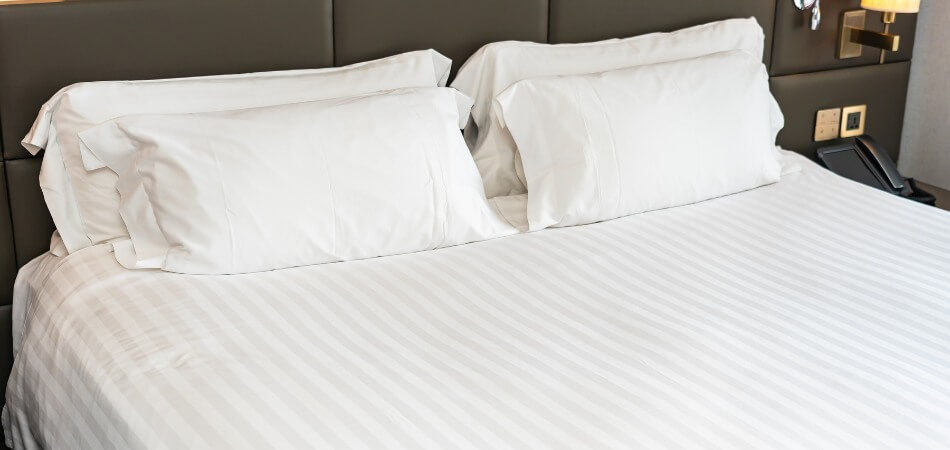
Natural Cotton Fibers Crease Easily
Cotton is a natural fiber, and natural fibers tend to crease when they are bent, folded, washed, or dried in a crumpled position.
When cotton percale sheets go through the washer, they absorb water and move around inside the machine. During drying, the fabric can twist or bunch up. If the sheets dry while folded over themselves, wrinkles can set into the fabric.
This is normal for cotton. Cotton shirts, cotton pillowcases, and cotton duvet covers can all wrinkle for the same reason.
The Crisp Weave Holds Folds More Clearly
Percale has a crisp feel because of its firm weave. That structure gives the fabric its fresh and breathable quality, but it can also make fold lines more noticeable.
If you leave percale sheets in the dryer after the cycle ends, they may cool down in a crumpled shape. Once that happens, the wrinkles become harder to smooth out by hand.
That is why quick handling after washing and drying is important.
Percale Usually Has a Matte, Less Silky Surface
Cotton percale has a matte finish, which means it does not reflect light the same way sateen does. This clean, dry-looking surface can make wrinkles stand out more.
By comparison, cotton sateen has a smoother and slightly shinier surface. Because of that, wrinkles may look softer or less obvious on sateen sheets.
Percale is usually better for people who want a cool and crisp feel. Sateen may be better for people who want a smoother appearance with less effort.
Chemical-Free or Low-Treatment Sheets May Wrinkle More
Some bedding is treated with wrinkle-resistant finishes. These finishes can help sheets look smoother, but not everyone wants added treatments in their bedding.
Many cotton percale sheets have a more natural feel, especially if they are made with fewer chemical finishes. These sheets may wrinkle more, but they also keep the clean cotton texture many people prefer.
A more natural cotton feel often comes with a more natural cotton look, including some creasing.
Is Wrinkling a Bad Sign in Cotton Percale?
No, wrinkling is not automatically a bad sign. Cotton percale can wrinkle even when it is made from good-quality cotton.
Light wrinkles are usually just part of the fabric’s natural behavior. The key is knowing the difference between normal creasing and signs of poor quality or poor fit.
Wrinkles vs. Poor Fabric Quality
Wrinkles alone do not mean your sheets are bad. High-quality cotton percale can still wrinkle after washing or sleeping.
Better signs of sheet quality include:
- The fabric feels comfortable against the skin
- The weave feels smooth and even
- The sheet keeps its shape after washing
- The seams are strong
- The elastic stays secure
- The fabric does not pill quickly
- The sheet does not tear easily
If the sheet feels scratchy, shrinks too much, loses shape, or pills quickly, that may point to a quality issue. But simple wrinkling is usually normal.
Why Some People Like the Relaxed Percale Look
Not everyone wants a perfectly pressed bed. Many people like cotton percale because it has a relaxed, natural appearance.
Light wrinkles can make the bed look soft, comfortable, and lived-in. As long as the sheet is not bunched up under your body, a few creases are mostly cosmetic.
For many sleepers, the cool and breathable feel of percale matters more than a wrinkle-free look.
When Wrinkles Mean a Care or Fit Problem
Wrinkles become a bigger issue when they affect comfort. If your sheet is bunching, slipping, or coming off the mattress, the problem may not be the fabric alone.
Common causes include:
- The fitted sheet is too large
- The pocket depth is too deep for the mattress
- The sheet elastic is weak
- The mattress topper changes the fit
- The sheet is overdried
- The sheets are left crumpled after drying
- The sleeper moves a lot during the night
If wrinkles appear mostly in the center of the bed or around the corners, improving the sheet fit can help.
Cotton Percale vs. Other Sheet Fabrics: Which Wrinkles More?
Cotton percale is not the only sheet fabric that wrinkles, but it does show wrinkles more than some other options.
Cotton Percale vs. Cotton Sateen
Cotton percale usually wrinkles more visibly than cotton sateen.
Percale has a crisp, matte finish. Sateen has a smoother surface and a softer drape. Because sateen looks silkier, wrinkles may appear less sharp.
Choose cotton percale if you want sheets that feel cool, crisp, and breathable. Choose cotton sateen if you prefer a smoother, softer, and slightly heavier feel.
Cotton Percale vs. Microfiber
Microfiber usually wrinkles less than cotton percale.
Microfiber is made from synthetic fibers, so it tends to resist creasing better. It also dries quickly and often looks smooth with less effort.
However, microfiber may not feel as breathable as cotton percale. Some people find microfiber warmer or less fresh-feeling. If wrinkle resistance is your top priority, microfiber may be easier. If natural cotton comfort matters more, percale may be the better choice.
Cotton Percale vs. Linen
Linen wrinkles more than cotton percale.
Linen is known for its relaxed, rumpled look. Many people buy linen because they like that natural texture. Compared with linen, cotton percale usually looks cleaner and more structured.
If you want a natural fabric but do not want heavy wrinkling, percale may be easier to manage than linen.
Cotton Percale vs. Jersey Knit
Jersey knit sheets usually show fewer sharp wrinkles because they stretch like a T-shirt.
Jersey feels soft, casual, and flexible. Percale feels cooler, crisper, and more structured. Jersey may be better if you want softness and stretch. Percale may be better if you want a fresh, hotel-style sheet feel.
Main Factors That Affect Wrinkling in Cotton Percale Sheets
Not every cotton percale sheet wrinkles the same way. The amount of wrinkling depends on the cotton quality, weave, care routine, and how well the sheet fits the mattress.
Cotton Staple Length
Long-staple cotton usually creates smoother and stronger yarns. These fibers are longer, so they can be spun into finer and more durable threads.
Percale sheets made from long-staple cotton may still wrinkle, but they often feel smoother and look more refined than sheets made from shorter cotton fibers.
Shorter fibers can create a rougher surface, which may make wrinkles and texture more noticeable.
Thread Count and Fabric Density
Thread count can affect how percale feels, but a higher thread count does not always mean better sheets.
Percale is valued for breathability, so the best option is usually a balanced fabric that feels crisp but not stiff. If the fabric is too dense, it may feel less airy. If it is too thin, it may wrinkle and wear more quickly.
A good cotton percale sheet should feel smooth, breathable, and strong enough for repeated washing.
Washing Temperature
Hot water can make cotton fibers tighten and crease more. For regular washing, cool or warm water is usually a better choice.
Using gentler water temperatures can help protect the cotton fibers, reduce harsh creasing, and keep the sheets feeling comfortable for longer.
Dryer Heat and Overdrying
Overdrying is one of the biggest reasons cotton percale sheets come out wrinkled.
When sheets stay in a hot dryer for too long, the fabric can become dry, stiff, and deeply creased. If the sheets sit in the dryer after the cycle ends, the wrinkles can become even more noticeable.
Using low heat and removing the sheets while they are slightly damp can help prevent deep wrinkles.
Sheet Fit and Mattress Movement
Even well-washed percale sheets can wrinkle if they do not fit the mattress correctly.
If the fitted sheet is too loose, extra fabric gathers under your body while you sleep. If the corners are not secure, the sheet can shift and bunch up. This creates wrinkles across the sleeping surface.
A fitted sheet should match both the mattress size and the mattress depth.
Humidity and Storage Conditions
Cotton can absorb moisture from the air. If cotton percale sheets are stored in a damp closet or folded before fully dry, they may develop creases or a stale smell.
Always dry sheets completely before storing them. Keep them in a clean, dry space with enough room so they are not tightly compressed.
How to Prevent Cotton Percale Sheets from Wrinkling
You may not be able to stop every wrinkle, but you can prevent deep creases with the right care routine.

Wash Sheets with Enough Space in the Machine
Do not overload the washing machine. Cotton percale needs room to move freely.
If sheets are packed tightly into the washer, they twist into knots and come out with deeper wrinkles. Wash sheets separately from bulky items like towels, blankets, hoodies, and jeans.
This helps the fabric clean better and wrinkle less.
Use Cool or Warm Water Instead of High Heat
For regular care, wash cotton percale sheets in cool or warm water. This is gentler on the cotton and helps reduce harsh creasing.
Use a mild detergent and avoid adding too much. Extra detergent can leave buildup on the fabric, making sheets feel stiff or rough.
If you use fabric softener, use it sparingly. Too much softener can coat the cotton and affect breathability over time.
Remove Sheets from the Dryer While Slightly Damp
One of the best ways to reduce percale wrinkles is to remove the sheets from the dryer while they are still slightly damp.
Shake them out immediately, then put them on the bed or fold them neatly. As the fabric finishes drying flat, many wrinkles will relax naturally.
Do not leave sheets sitting in the dryer for hours after the cycle ends.
Shake and Smooth Sheets Before Making the Bed
Before placing the fitted sheet on the mattress, give it a strong shake. This helps release twisted fabric and loose folds.
After securing the corners, smooth the sheet from the center outward with your hands. Pull the fabric evenly across the mattress before adding the top sheet, blanket, duvet, or comforter.
A few extra seconds of smoothing can make the bed look much neater.
Avoid Leaving Sheets in a Laundry Basket
Clean sheets wrinkle quickly when they are left in a pile. Cotton holds the shape it dries or cools in, so a crumpled laundry basket can create deep creases.
Fold sheets shortly after drying or place them directly on the bed. If you cannot fold them right away, lay them flat over a clean chair or drying rack instead of stuffing them into a basket.
Iron or Steam Only When You Want a Crisp Finish
You do not have to iron cotton percale sheets every time. For everyday use, smoothing by hand is usually enough.
If you want a crisp, hotel-style look, ironing or steaming can help. It is easier to iron percale while it is slightly damp.
You can also focus only on the visible areas, such as pillowcases and the top edge of the flat sheet, instead of ironing the entire sheet set.
How to Keep Cotton Percale Smooth on the Bed
Laundry care helps, but sheet fit is just as important. If the sheet moves during the night, wrinkles will return even after careful washing.
Start with the Right Sheet Size and Pocket Depth
A fitted sheet should match your mattress size and depth. If the sheet pockets are too deep, extra fabric can bunch up. If the pockets are too shallow, the corners may pop off.
Before buying sheets, check:
- Mattress size
- Mattress height
- Mattress topper thickness
- Fitted sheet pocket depth
- Elastic strength
- Corner construction
A good fit keeps the sheet flatter and more comfortable.
Pull Corners Tight Before Tucking
When making the bed, secure each fitted sheet corner firmly under the mattress. Do not leave the elastic sitting loosely around the edge.
After the corners are in place, pull the sheet tight and smooth the surface with your hands. This helps spread the fabric evenly and reduces loose areas.
Use Sheet Fasteners to Reduce Bunching
If your fitted sheet keeps slipping, sheet fasteners can help. These tools hold the sheet more securely and reduce movement during sleep.
They can be useful for:
- Active sleepers
- Adjustable beds
- Thick mattresses
- Mattress toppers
- Loose fitted sheets
- Sheets with weak elastic
A tighter sheet surface means fewer folds and less bunching.
How Bed Scrunchie Helps Keep Percale Sheets Taut
Bed Scrunchie is designed to help keep fitted sheets tight around the mattress. It attaches around the edges of the sheet and pulls the fabric more evenly from underneath.
For cotton percale sheets, this can be helpful because many wrinkles form when the fitted sheet loosens overnight. When the sheet stays tighter, there is less loose fabric to bunch up under your body.
Bed Scrunchie will not remove the natural wrinkle tendency of cotton, but it can help keep the sheet smoother on the mattress.
Best Care Routine for Cotton Percale Sheets
A simple routine can keep cotton percale sheets cleaner, softer, and less wrinkled.
Weekly Washing Tips
Wash cotton percale sheets about once a week. If you sweat at night, sleep with pets, or use heavy lotions before bed, you may want to wash them more often.
For best results:
- Wash sheets separately.
- Use cool or warm water.
- Choose a gentle or normal cycle.
- Use mild detergent.
- Avoid using too much fabric softener.
- Shake sheets before drying.
This helps prevent twisting, residue, and deep wrinkles.
Drying Tips for Fewer Creases
Dry cotton percale sheets on low heat. Remove them while slightly damp, then shake them out.
If you are putting them directly on the bed, smooth them tightly over the mattress. If you are storing them, fold them neatly once they are fully dry.
Dryer balls may also help sheets move more freely and reduce tangling.
Folding and Storage Tips
Fold cotton percale sheets only when they are completely dry. Damp sheets can wrinkle, smell musty, or feel stale.
Store them in a dry closet with enough space. Avoid pressing too many sheets into one shelf because tight storage can create deep fold lines.
A simple way to organize sheet sets is to place the folded fitted sheet and flat sheet inside a matching pillowcase.
What to Avoid When Caring for Percale
To keep cotton percale looking better, avoid:
- Overloading the washer
- Washing sheets with heavy towels
- Using high dryer heat every time
- Leaving sheets in the dryer after the cycle ends
- Leaving clean sheets in a laundry basket
- Folding sheets while damp
- Using too much detergent
- Storing sheets in humid spaces
These small habits can make a big difference in how smooth your sheets look.
Should You Buy Cotton Percale If You Hate Wrinkles?
If you want sheets that look perfectly smooth with almost no effort, cotton percale may not be the easiest choice. But if you want sheets that feel cool, crisp, breathable, and natural, percale can still be worth it.
Choose Percale If You Prefer Cool, Crisp Sheets
Cotton percale is a good choice if you:
- Sleep hot
- Prefer breathable bedding
- Like a crisp sheet feel
- Want a matte finish
- Enjoy lightweight sheets
- Prefer natural cotton over synthetic fabric
- Do not mind light wrinkles
For many people, the comfort of percale is worth the extra care.
Consider Sateen or Microfiber If You Want a Smoother Look
If visible wrinkles bother you a lot, you may prefer cotton sateen or microfiber.
Cotton sateen feels smoother and has a softer drape. Microfiber usually resists wrinkles better and dries quickly. Both options may look smoother with less work.
However, they may not feel as cool and crisp as cotton percale.
Choose Long-Staple Cotton Percale for Better Appearance
If you like percale but want a cleaner look, consider sheets made from long-staple cotton. These sheets may still wrinkle, but they often feel smoother and hold up better with repeated washing.
Also, make sure the fitted sheet matches your mattress depth. Even high-quality percale can look messy if the sheet is too loose.
FAQs About Cotton Percale Wrinkles
Cotton percale sheets are loved for their cool, crisp, and breathable feel, but their natural tendency to wrinkle often raises questions about care and maintenance. The FAQs below answer common questions about why cotton percale wrinkles, how to reduce creases, and how to keep percale sheets looking smooth and comfortable.
Does cotton percale wrinkle more than sateen?
Yes, cotton percale usually wrinkles more than cotton sateen. Percale has a crisp, matte surface, while sateen has a smoother and silkier finish. Because of this, wrinkles are often more visible on percale.
Can you put cotton percale sheets in the dryer?
Yes, cotton percale sheets can usually go in the dryer. Use low heat and remove them while they are slightly damp. This helps reduce deep wrinkles and keeps the fabric from becoming too stiff.
Should cotton percale sheets be ironed?
Ironing is optional. If you want a crisp, polished look, ironing can help. For everyday use, shaking the sheets after drying and smoothing them on the bed is usually enough.
Do percale sheets get softer and less wrinkly over time?
Cotton percale sheets often get softer after repeated washing. They may still wrinkle, but the fabric can become more relaxed with use. Proper washing and drying can help them look smoother.
Why do my percale sheets look wrinkled after washing?
Percale sheets may look wrinkled after washing if the washer was overloaded, the sheets were dried on high heat, or they were left sitting in the dryer or laundry basket. Cotton creases when it dries in a crumpled position.
How do hotels keep cotton sheets looking smooth?
Hotels usually use professional laundry machines, controlled drying, pressing, and tight bed-making methods. At home, you can get a neater look by removing sheets slightly damp, smoothing them immediately, and keeping the fitted sheet tight on the mattress.
Final Verdict: Cotton Percale Wrinkles, But It Can Still Look Neat
Cotton percale does wrinkle, but that is part of its natural cotton character. The crisp weave, matte surface, and breathable structure make the fabric comfortable, but they also make creases more visible.
That does not mean cotton percale is a bad choice. In fact, it remains one of the best options for people who want sheets that feel cool, fresh, lightweight, and breathable.
The best way to manage wrinkles is to prevent deep creases before they set. Wash sheets with enough space, dry them on low heat, remove them slightly damp, shake them out, and smooth them on the bed. If your fitted sheet wrinkles because it slips or bunches up, using a sheet-tightening tool like Bed Scrunchie can help keep it taut.
If you love a crisp, cool bed and can accept a few natural wrinkles, cotton percale is still a practical and comfortable bedding choice.
