
There is something instantly relaxing about walking into a hotel room and seeing a perfectly smooth bed. The sheets look crisp, the corners are tight, and the whole bed feels fresh before you even lie down. So, how do hotels keep sheets wrinkle-free when their bedding is washed, dried, changed, and reused so often?
The answer is not one single trick. Hotels keep sheets smooth by using the right type of sheets, professional laundry methods, careful pressing, and tight bed-making techniques. Many hotels also use flat sheets instead of fitted sheets because flat sheets are easier to wash, iron, fold, and tuck tightly around the mattress.
At home, you may not have commercial laundry equipment or a trained housekeeping team, but you can still copy many of the same habits. With the right sheet fit, better drying habits, proper tucking, and helpful tools like Bed Scrunchie, you can make your bed look much cleaner and closer to a hotel-style finish.
The Short Answer: Why Hotel Sheets Look So Smooth
Hotels keep sheets wrinkle-free by focusing on fabric, laundry care, pressing, and bed tension. The sheets are washed properly, dried without being left in a crumpled pile, pressed when needed, and pulled tightly across the mattress.
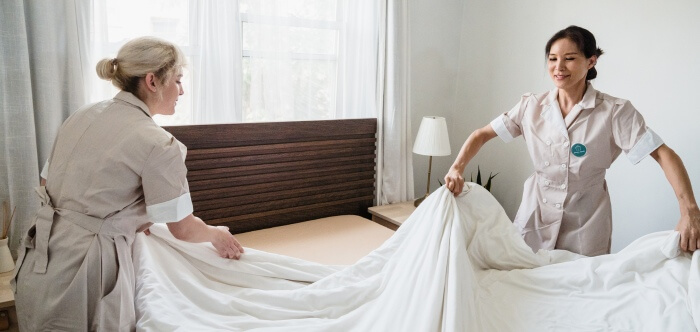
A hotel bed looks smooth because the sheets are not loose. Housekeeping teams stretch the fabric evenly, tuck it deeply, and use clean folding methods like hospital corners. This prevents extra fabric from bunching up on the mattress surface.
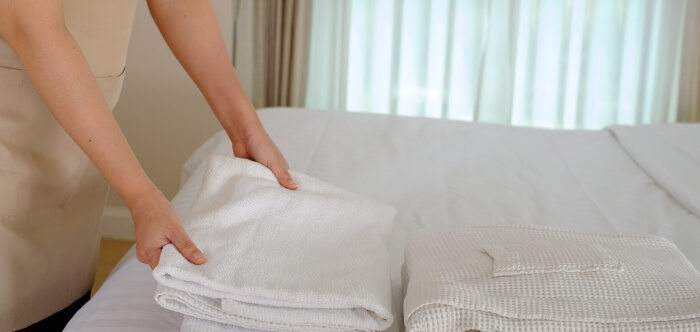
Most hotels also choose sheets that are practical for daily use. They need bedding that can survive frequent washing, drying, folding, and handling without looking worn out too quickly. That is why many hotels use durable cotton, percale, sateen, or cotton-blend sheets.
The same idea works at home. If your sheets come out wrinkled, slip off the mattress, or bunch up overnight, the problem may not be the sheet alone. It may be the way the sheet is washed, dried, fitted, and secured.
The Main Methods Hotels Use to Prevent Wrinkled Sheets
Hotels follow a complete system to create that crisp, wrinkle-free look. Each step helps reduce creases before they become visible on the bed.
Hotels Often Use Flat Sheets Instead of Fitted Sheets
One of the biggest hotel bedding secrets is the use of flat sheets. Many hotels do not rely on fitted sheets for the bottom layer. Instead, they place a large flat sheet over the mattress and tuck it tightly underneath.
Flat sheets are easier to process in a hotel laundry system. They do not have elastic corners, so they can be washed, dried, ironed, pressed, stacked, and stored more evenly. Fitted sheets are convenient at home, but the elastic edges can make them harder to press flat.
For hotels, flat sheets also make bed-making more consistent. Housekeeping staff can pull the sheet from each side, center it properly, and tuck it with sharp corners. This creates a smoother surface than a loose fitted sheet that may sag or bunch around the edges.
Larger Bottom Sheets Help Create a Tighter Fit
Hotels often use oversized flat sheets on the bottom of the bed. The extra fabric gives staff enough material to tuck deeply under the mattress. When the sheet is pulled tightly and secured on all sides, it stays flatter and looks more polished.
At home, sheet size matters a lot. If your sheet is too small, it may pull off the mattress corners. If it is too large, it may gather and wrinkle. The goal is to use a sheet that gives you enough fabric to tuck securely without leaving bulky folds across the sleeping surface.
This is especially important if you have a thick mattress, pillow-top mattress, mattress topper, or adjustable bed. A poor fit almost always leads to more wrinkles.
Commercial Laundry Systems Remove Deep Creases
Hotels usually use commercial laundry systems that are built for large bedding loads. These machines clean sheets thoroughly while giving the fabric enough movement during the wash and dry process.
At home, wrinkles often start in the washer. When you overload the machine, sheets twist around each other and come out with deep creases. Towels, blankets, and heavy clothes can make this worse because they trap sheets into tight folds.
Hotels avoid this by using controlled laundry processes. Their equipment, load sizes, drying times, and folding systems are designed to keep linens clean, bright, and smooth.
Pressing and Ironing Create the Crisp Hotel Finish
That crisp hotel-bed look often comes from pressing. Many hotels use large ironing or pressing machines that smooth the entire sheet quickly and evenly. This is much more efficient than using a small household iron.
Pressing helps flatten wrinkles, smooth seams, and create a clean folded edge. It also gives sheets that fresh, polished look people associate with luxury hotels.
At home, you do not have to iron every inch of your bedding. If you want a hotel-style result without too much effort, focus on the visible areas. Iron or steam the pillowcases, the top edge of the flat sheet, and the folded area near the head of the bed. These are the parts people notice first.
Tight Bed-Making Keeps the Surface Smooth
Even the best sheet will wrinkle if it is placed loosely on the bed. Hotels make sheets look smooth by creating tension. The sheet is pulled tight from the top, bottom, and sides before it is tucked.
This tension matters because loose fabric has room to move. When you sit, sleep, or turn over, loose sheets shift and form folds. A tighter sheet stays flatter for longer.
To copy this at home, smooth your sheet from the center outward. Pull the fabric toward the sides and foot of the bed before tucking it in. The flatter the sheet is before you finish the bed, the cleaner the final result will look.
Hospital Corners Help Lock Sheets in Place
Hospital corners are one of the most important bed-making methods used in hotels. This technique folds the sheet neatly at the corners and tucks the extra fabric under the mattress.
The benefit is simple: it locks the sheet in place. Instead of stuffing extra fabric randomly under the mattress, hospital corners create a clean, angled fold. This keeps the edges tighter and helps the bed maintain a smooth shape.
Hospital corners are especially useful when using flat sheets. They make the bed look structured, reduce loose fabric, and give the mattress a clean, tailored appearance.
What Types of Sheets Do Hotels Usually Use?
Hotels choose sheets based on comfort, durability, appearance, and ease of care. The best hotel sheets are not just soft. They also need to hold up through repeated washing and still look fresh on the bed.

Flat Sheets
Flat sheets are very common in hotels because they are simple, versatile, and easy to maintain. They can be used as a bottom sheet, top sheet, or layering piece. Since they do not have elastic corners, they are easier to press and fold.
Flat sheets also help hotels make beds faster and more consistently. When tucked properly, they create a neat and smooth surface.
Percale Sheets
Percale sheets are known for their crisp, cool feel. They usually have a simple weave that creates a clean matte finish. Many people like percale because it feels breathable and fresh, especially in warmer climates.
Percale is a strong option for people who want a classic hotel-style bed. It may wrinkle more than some synthetic blends, but it also gives that crisp sheet feeling many hotel guests enjoy.
Sateen Sheets
Sateen sheets are smoother and slightly silkier than percale. They often have a subtle sheen and a softer drape. This gives the bed a more luxurious look and feel.
Sateen can feel warmer and softer, while percale feels cooler and crisper. Both can be used in hotel-style bedding, depending on the comfort experience the hotel wants to create.
Egyptian Cotton Sheets
Egyptian cotton sheets are often connected with premium bedding. When the cotton is genuine and well-made, the fibers can be long, smooth, and durable. This can create sheets that feel soft while still handling regular laundering.
However, the quality depends on the actual material and construction. A sheet is not automatically better just because a label says Egyptian cotton. The weave, fiber quality, and finishing process also matter.
Cotton-Polyester Blends
Some hotels use cotton-polyester blend sheets because they are easier to care for and more resistant to wrinkles than 100% cotton. Cotton adds softness and breathability, while polyester helps with durability, faster drying, and wrinkle resistance.
For home use, cotton-poly blends can be a practical option if you want sheets that look smoother with less ironing. They may not feel as crisp as pure cotton percale, but they can be easier to maintain.
What Makes Hotel Sheets Easier to Keep Wrinkle-Free?
Several factors affect whether sheets stay smooth or wrinkle quickly. The most important ones are fabric quality, weave, thread count, sheet size, water quality, drying habits, and how quickly the sheets are folded or placed on the bed.
Fabric Quality
Better-quality fabric usually handles washing and drying more evenly. Cheap, thin sheets may wrinkle quickly, lose shape, or feel rough after repeated washing. A good sheet should feel comfortable but still have enough structure to lie flat.
Hotels often look for sheets that balance softness and durability. The sheet needs to feel pleasant for guests, but it also needs to survive frequent laundering.
Thread Count and Weave
Thread count can play a role, but it is not the only thing that matters. A very high thread count does not always mean a better sheet. In many cases, a well-made sheet with a moderate thread count can feel smoother, cooler, and more durable than a poorly made high-thread-count sheet.
The weave is also important. Percale gives a crisp feel, while sateen gives a smoother and silkier feel. Both can look polished when washed and tucked properly.
Sheet Size and Mattress Fit
A sheet that fits the mattress properly is much easier to keep wrinkle-free. If the sheet is too loose, it creates folds. If it is too tight, it pulls off the corners. Either problem can make the bed look messy.
Before buying sheets, check your mattress depth. This is especially important if you use a mattress topper or have a deep mattress. A better fit means fewer wrinkles and less slipping.
Water Quality During Washing
Water quality can affect how sheets feel and look. Hard water may leave mineral buildup on fabric over time, which can make sheets feel less soft. Hotels often manage their laundry systems carefully to protect the look and feel of their linens.
At home, if your sheets feel stiff or look dull after washing, hard water or detergent buildup may be part of the problem.
Proper Drying and Timely Removal
Drying is one of the biggest steps for wrinkle control. Sheets wrinkle badly when they sit in the dryer after the cycle ends. Warm fabric settles into creases quickly when left in a pile.
For smoother sheets, remove them as soon as they are dry or slightly warm. Shake them out before folding or putting them on the bed. This one habit can make a major difference.
Fabric Softeners, Starch, and Wrinkle-Release Products
Some laundry products can help sheets feel smoother, but they should be used carefully. Fabric softener may make sheets feel softer, but too much can leave buildup. Starch can create a crisp finish, but it may not be ideal for every fabric or every sleeper.
Wrinkle-release sprays can help with light creases, especially on visible areas. They work best when combined with smoothing by hand, steaming, or proper tucking.
Step-by-Step: How Hotels Make a Wrinkle-Free Bed
You can create a cleaner hotel-style bed at home by following a simple process. The key is to smooth, pull, and tuck each layer carefully.
Step 1: Start With Clean, Properly Dried Sheets
Use sheets that are fully clean and not overly dry. If possible, remove them from the dryer while they are still slightly warm. Shake them out to release twisted areas before placing them on the bed.
Step 2: Lay the Bottom Sheet Evenly
Place the bottom sheet over the mattress and make sure it is centered. If you are using a flat sheet, leave an even amount of fabric hanging on both sides. The top and bottom should also be aligned.
Uneven placement leads to uneven tension, which causes wrinkles later.
Step 3: Pull the Fabric Tight Across the Mattress
Smooth the fabric from the center outward with your hands. Pull the sheet gently toward each side, then toward the foot of the bed. This removes loose fabric before you begin tucking.
Do not rush this step. The smoother the sheet is now, the better the finished bed will look.
Step 4: Create Hospital Corners
At the foot of the bed, tuck the bottom edge of the flat sheet under the mattress. Then lift the side fabric, fold it into a clean angle, and tuck the remaining fabric under the mattress. Repeat on the other side.
This method creates a tight corner and helps stop the sheet from pulling loose.
Step 5: Add the Top Sheet
Place the top sheet evenly over the bed. The top edge should be straight and high enough to fold back neatly. Smooth it from the center toward the sides.
If you want a more hotel-like look, make sure the top sheet is aligned with the mattress and not hanging lower on one side.
Step 6: Tuck the Edges Securely
Tuck the foot of the top sheet first, then tuck the sides. Keep the fabric firm but comfortable. A tight tuck helps the bed look neater and keeps the sheet from shifting too much.
Step 7: Finish With the Duvet, Blanket, and Pillows
Add your blanket, comforter, or duvet evenly. Smooth the top layer with your hands and remove any lumps. Fluff the pillows and make sure pillowcases are straight.
The finishing details matter. A smooth duvet and aligned pillows can make the whole bed look more polished.
Can You Get the Same Wrinkle-Free Hotel Bed Look at Home?
Yes, you can get close to the hotel look at home, even without commercial machines. The main goal is to reduce wrinkles before they set and keep the sheet tight once it is on the bed.
Start with laundry habits. Wash sheets separately from heavy items like towels, jeans, hoodies, or blankets. These items can twist around sheets and cause deep creases.
Do not overload the washer. Bedding needs space to move. If your machine is packed too tightly, the sheets will not wash or rinse evenly, and they may come out more wrinkled.
Use the right dryer setting. High heat may dry sheets fast, but it can also set wrinkles and weaken fabric over time. A medium or low setting is often better for everyday bedding care.
Remove sheets promptly when the dryer finishes. Shake them out and either fold them neatly or place them directly on the bed. If you leave them in a pile, wrinkles will form quickly.
For a crisp finish, iron or steam the visible areas. You do not need to iron the entire sheet unless you want a very polished look. Focus on pillowcases, the top sheet fold, and the areas people can see.
If your fitted sheet keeps slipping, consider using a sheet-tightening tool like Bed Scrunchie. Keeping the sheet tight is one of the easiest ways to reduce bunching and create a cleaner bed surface.
How Bed Scrunchie Helps Keep Sheets Smooth
Bed Scrunchie helps keep sheets tight around the mattress. It is designed to secure the sheet edges so the fabric stays more evenly stretched across the sleeping surface.
This is useful because many home bedding problems come from loose sheets. When a sheet loses tension, it bunches under your body, pulls away from the corners, and creates wrinkles. Even clean sheets can look messy if they do not stay in place.
Bed Scrunchie can help by adding more consistent hold around the mattress. It works especially well for people who struggle with fitted sheets that pop off, slide around, or loosen overnight.
It does not replace washing, drying, steaming, or ironing. If a sheet comes out of the dryer with deep wrinkles, you still need to smooth or press it. But once the sheet is on the bed, Bed Scrunchie can help keep it tighter for longer.
For anyone trying to copy the hotel bed look at home, the main benefit is tension. Hotels create tension by pulling and tucking flat sheets tightly. Bed Scrunchie gives home users another way to create that tighter fit, especially with fitted sheets.
Common Mistakes That Cause Sheets to Wrinkle
Wrinkled sheets are often caused by small habits that are easy to fix. Here are the most common problems.
Using Sheets That Do Not Fit the Mattress
Poor sheet fit is one of the biggest reasons sheets wrinkle. If your sheet is too big, extra fabric gathers on the bed. If it is too small, it pulls off the corners and creates uneven tension.
Always check your mattress size and depth before buying sheets. Deep-pocket sheets may be needed if you have a thick mattress or mattress topper.
Leaving Sheets in the Dryer Too Long
Sheets wrinkle quickly when they sit in the dryer after the cycle ends. The warm fabric collapses into folds, and those folds become creases.
Remove sheets as soon as possible. Shake them out and fold them or place them on the bed right away.
Washing Too Many Linens at Once
Overloading the washer or dryer makes sheets twist and bunch. This creates deep wrinkles that are harder to remove later.
Wash sheets in smaller loads. Give them enough room to move freely.
Using Too Much Heat
Too much heat can over-dry sheets and make wrinkles sharper. It can also wear down the fabric faster over time.
Use medium or low heat when possible. Dry sheets only as long as needed.
Skipping Proper Tucking or Sheet Tightening
A loose sheet will wrinkle even if it is clean and freshly dried. Take time to pull the sheet tight and tuck it securely. For fitted sheets, use a secure fit or a tool like Bed Scrunchie to help hold the sheet in place.
Hotel Sheet Care vs. Home Sheet Care: What’s Different?
Hotels and homes handle bedding very differently. Hotels use commercial equipment, trained staff, and repeatable systems. Their sheets are washed, dried, pressed, folded, stored, and placed on beds with consistency.
At home, bedding care is usually less structured. Sheets may be washed with other laundry, left in the dryer, folded quickly, or placed loosely on the bed. These small differences can create more wrinkles.
Hotels also focus heavily on presentation. A bed must look ready for a guest every time. That means straight edges, tight corners, smooth layers, and clean pillow placement.
Still, you can use the same principles at home. You do not need hotel equipment. You just need to handle your sheets with more care:
- Wash sheets with enough space.
- Remove them from the dryer quickly.
- Smooth them before they cool.
- Pull them tight on the mattress.
- Tuck the fabric securely.
- Use sheet fasteners if the sheet keeps slipping.
These habits can make your bed look much smoother without turning laundry day into a complicated process.
FAQs About How Hotels Keep Sheets Wrinkle-Free
Still have questions about how hotels keep their sheets looking smooth, crisp, and neatly fitted? These frequently asked questions explain the most common hotel bedding practices, from sheet types and thread count to wrinkle prevention and keeping sheets tight on the mattress.
Do Hotels Really Avoid Fitted Sheets?
Many hotels use flat sheets instead of fitted sheets because flat sheets are easier to wash, press, fold, and tuck. They also help housekeeping teams create a tighter and more consistent bed surface.
Why Do Hotels Use White Sheets?
Hotels often use white sheets because they look clean, match almost any room design, and make stains easier to spot. White sheets also create the fresh, simple look many guests expect from hotel bedding.
What Thread Count Do Hotels Usually Use?
Hotels usually choose sheets based on comfort, durability, and care needs. A higher thread count is not always better. Fabric quality, weave, and construction are just as important.
Are Wrinkle-Free Sheets the Same as Hotel Sheets?
No, they are not always the same. Wrinkle-free sheets are often made or treated to resist creases. Hotel sheets are chosen for comfort, durability, and presentation. The smooth hotel look also comes from laundry care and bed-making technique.
Does Bed Scrunchie Replace Ironing?
No. Bed Scrunchie does not remove deep wrinkles from fabric. It helps keep sheets tight on the mattress, which can reduce bunching and keep the bed surface smoother after the sheet is already on the bed.
What Is the Easiest Way to Make Sheets Look Hotel-Smooth at Home?
The easiest method is to remove sheets from the dryer promptly, shake them out, place them on the bed while slightly warm, pull them tight, and tuck the edges securely. For fitted sheets that loosen overnight, use Bed Scrunchie to help maintain tension.
Final Takeaway: The Real Secret Behind Wrinkle-Free Hotel Sheets
Hotels keep sheets wrinkle-free by following a full bedding system. They use practical sheets, wash them correctly, press them when needed, and make the bed with tight, careful tucking. The final result looks effortless, but every step helps create that smooth hotel finish.
At home, you can get a similar look by focusing on the same basics: choose sheets that fit well, avoid overloaded laundry, remove sheets from the dryer quickly, smooth them before they cool, and secure them tightly on the mattress.
For people who struggle with loose or slipping fitted sheets, Bed Scrunchie can make the process easier. It helps keep the sheet tight, reduces bunching, and supports a cleaner bed surface.
The real secret is not only the sheet itself. It is the combination of good fabric, smart laundry habits, and strong bed tension. When all three work together, your bed can look smoother, fresher, and much closer to the crisp hotel style you want.
